 中文
中文 Tiếng Việt

Choosing between private school and public schools is one of the most important factors a family needs when making education-related decisions. It largely concerns your child’s developmental years, affecting your child’s daily routine, the peers they grow up with, the expectations they align themselves with, and the support systems they form and receive.
The good news is that once you understand the focal points of each system, the choice becomes clearer.
At Ivy Talent Education, we help families make this decision every year. In this guide, we use national data and real advising experience to walk through seven big differences between U.S. private and public schools, then provide you with a simple framework to decide what best suits your child and your family.
1. Scale and Access
The American K–12 system is built primarily on public schools. According to the National Center for Education Statistics (NCES), there are more than 13,000 public school districts with around 100,000 public schools across the country. Private schools total less than 30,000.
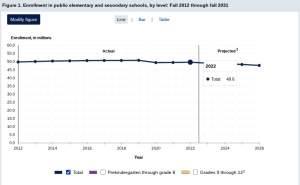
In fall 2021, about 49.4 million students attended public schools, while about 4.7 million were enrolled in private schools. In other words, roughly nine out of ten students are in the public system.
Public schools are tied to where you live. Families are assigned a “zoned” school based on their address, although some districts also offer magnet or choice options. Many suburban and some urban districts provide competitive academics, good extracurricular offerings, and stable graduation rates with free tuition.
In comparison, private schools are spread unevenly. You see more of them in large cities and more affluent suburbs, ranging from a wide spectrum of elite boarding schools to small local religious schools. Families usually choose private education when they want specific things that are harder to find in the local public system, such as a smaller class size, a particular educational philosophy, or a more controlled campus environment.
A useful first step is to be honest about the public options where you actually live. If your local high school is safe, offers a solid range of courses, and has a healthy culture, it may already meet most of your child’s needs. If it is overcrowded, under-resourced, or clashes with your child’s personality, it is reasonable to look beyond the district and consider private schools in your wider area.
2. Academic Results and Learning Culture
Families often ask, “Are private schools always academically better?” The short answer is no. The longer answer is that private schools have a higher average, but the real story is more nuanced.
The National Assessment of Educational Progress, sometimes called “the Nation’s Report Card”, regularly compares student performance in public and private schools. In recent reading assessments, private school students in fourth and eighth grade have scored roughly a dozen to twenty points higher on average than public school students. Similar gaps appear in math and some other subjects.
Academic culture is what matters most. In many private schools, you will see:
- Heavier reading practices and writing expectations
- Frequent essays, labs, and major projects
- A shared assumption that most students will apply to four-year colleges
- College counseling that begins early in high school and continues with one-on-one guidance during application season
At the same time, many public schools, especially in prominent districts or specialized programs, offer:
- A wide menu of Honors, Advanced Placement, International Baccalaureate, or dual enrollment courses
- Average SAT and ACT scores that match or exceed those of nearby private schools
Competitive college matriculation lists, including selective universities
When you evaluate any school, whether private or public, always look for salient information such as graduation rate, available advanced courses, typical test scores, if available, and a recent list of colleges that graduates attend. Regardless of enrolling in a public or a private school, being competent and maximizing the environment and resources available to a student relies on their mindset and attitude to be hardworking.
3. Curriculum, Programs, and Class Size
Curriculum and class size shape your child’s daily experience more than any single test score.
Curriculum and Opportunities
Private schools usually have more freedom to design their own courses. Alongside required English, math, science, and history, you often see:
- Extensive Honors and AP options
- Interdisciplinary seminars that relate to literature and history or physics and engineering
- Independent research projects or senior capstones
- Specialized electives in areas like coding, design, entrepreneurship, global issues, or media production.
This flexibility allows schools to cater more to student interests and be more fast-paced than state frameworks. It can be especially valuable for students who already have passionate interests and want to surpass a standard high school curriculum.
Public schools must align with state standards, but that does not mean they are limited to the basics. Many districts now offer:
- AP programs with a curated list of advanced courses
- STEM or arts academies within the larger high school bodies
- Career and technical education pathways that connect high school to real-world skills
- Dual enrollment partnerships with community colleges or universities
The challenge is that offerings can vary widely from one district to another. Within the same state, one public high school may offer more than twenty AP courses, while another has only a few.
When comparing schools, a practical step is to ask for their most recent course catalog. Look at the number and variety of advanced courses, whether students can build a schedule that matches their interests, and whether there are opportunities for independent or advanced projects in the upcoming years.
Class Size
Class size is one of the clearest structural differences between private and public schools.
Typically, most private high school classes have about 12 to 18 students. With this setting, teachers can check in on each student frequently, assign and respond attentively to outputs, and notice quickly when someone’s comprehension worsens.
Public high schools, on the other hand, often have about 25 to 35 students in a class. Experienced teachers can still run effective lessons in large classes, but there can only be so much time allotted to each individual. Shy or introverted students may have to work harder to seek help.
However, it is also important to note that smaller classes do not automatically guarantee better teaching and vis-a-vis to large classes. The key question is how class size interacts with your child’s personality. A student who is independent and proactive may do well in a large class. A student who needs more accountability and feedback may benefit from the intimacy of a smaller group.
4. Teachers and Professional Background
Teacher quality is one of the key factors of student learning, and both sectors employ excellent educators.
Public school teachers typically must hold a state teaching license. They must complete an approved preparation program, pass subject area exams, and participate in ongoing professional development that is aligned with state and district standards. This structure aims to ensure a consistent baseline of training and subject knowledge.
Private schools are not required to follow the same licensing rules, having more flexibility in hiring. Many independent schools focus on bringing in teachers with strong academic or professional backgrounds, such as master’s or doctoral degrees in their field, or relevant experience in areas like engineering, finance, or the arts. They also tend to give teachers more freedom to shape their own courses and assignments.
5. Tuition, Financial Aid, and Long-Term Value
Public schools do not charge tuition for students who live in the district. Families will still pay miscellaneous expenses on activity fees, sports costs, AP or exam fees, and possibly tutoring or test preparation, but the baseline cost is significantly lower than private schools.
Private schools rely on tuition and donations to operate. Costs vary, but NAIS’ Independent School Data for the school year 2024 to 2025 gives you a sense of scale:
- The median tuition for K–12 day private schools is about $32,251.
- The average tuition for private boarding schools is about $71,715.
Those figures represent a significant commitment over four years of high school, especially if you are also planning to contribute to college.
There are also private schools that offer financial aid. Need-based aid is designed to adjust tuition according to a family’s financial situation, while some schools provide merit-based scholarships in areas such as academics, the arts, or athletics. It is important to ask the following:
- What percentage of students receive financial aid?
- What is the average award for families at your income level?
- How many years is reasonable to expect continuous aid?
A helpful tip is to do a cost-risk analysis to discover what you would gain and what you would give up financially with each option. Focus on the impact over the full high school period, not only on the first year.
6. Diversity and School Culture
Diversity is more than a statistic on a website. It shapes how students see themselves and others, and how they interact in shared spaces. National Center for Education Statistics (NCES) data show differences in student composition.
- About 65% of students are White
- 12% are Hispanic
- 9% are Black
- 6%are Asian
- Around 7% are multiracial, Pacific Islander, or Native American
- About 45% of students are White
- 28% are Hispanic
- 15% are Black
- 5% are Asian
- Around 7% are multiracial, Pacific Islander, or Native American
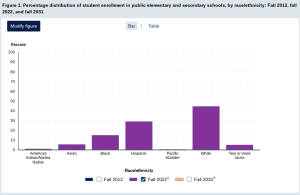
These are averages. In reality, individual schools and districts can look very different. Some public schools are extremely diverse. Others, not so much. Some private schools have made diversity and inclusion a priority in admissions and financial grants. Others may still reflect a narrower slice of the population.
Some schools are intensely competitive and fast-paced, which can motivate some students and overwhelm others. Other schools place more emphasis on empathetic learning, service, or character building alongside academic pursuits.
7. Support for Learning Differences and Special Needs
For students with learning habits or capacities or mental health needs, the support services schools offer should be a major factor in school choice.
Public schools operate under federal laws such as the Individuals with Disabilities Education Act and Section 504. They are required to identify students who have disabilities, provide free evaluations, and offer appropriate services through Individualized Education Programs or 504 plans. These may include accommodations like extended time, small group testing, specialized instruction, speech therapy, or counseling.
Many public schools have special education teams, psychologists, and related service providers on staff. The quality and consistency of these services can vary by district and by school, but they have a legal obligation to comply.
Private schools are not bound by the same special education requirements. They have more flexibility and less rigid structures in offering these services to the student body. Some have excellent learning support centers, trained specialists, and small classes that are very helpful for students with ADHD, dyslexia, or other learning differences. Others may have limited resources and expect students to be largely independent learners.
There are also private schools that specialize specifically in learning differences. For example, schools like Fletcher Academy in North Carolina are designed to cater to students with ADHD, reading disorders, and other learning challenges through targeted instruction and support.
8. How To Decide: A Simple Framework
After seeing all these differences, it is normal to feel overwhelmed by the choices. At Ivy Talent Education, we encourage families to reject labels like “best school” and instead focus on “best fit” using four questions:
Educational quality
Does this school offer well-grounded teaching and effective challenges? Are there appropriate advanced or specialized courses for your child’s interests and goals?
Social and emotional fit
Can your child find friends and supportive adults here? Does the culture align with your child’s personality, especially in terms of security, respect, and necessities?
Financial sustainability
Is this a viable option for several years without creating unmanageable stress? Have you fully explored scholarships, financial aid, and alternative paths?
Family values and long-term goals
Does the school’s approach to discipline, technology, service, faith, or community align with what you want your child to learn about life, beyond academics?
Whether you are still deciding between a private and a public school, or wondering how rigorous your child’s course load should be, or even trying to understand how today’s choices will affect their future, our team can walk you through the options in a clear, practical way. Click to contact us and schedule a free consultation, and let’s explore how we can support your child’s path from high school and into college.